

Dubai’s evolution from a regional trading post to a global financial powerhouse has been nothing short of cinematic. As we approach 2026, the city is doubling down on its digital-first reputation with the launch of the Dubai Fintech District. This nearly 250,000-square-foot commercial hub is not just another office development; it is a purpose-built ecosystem designed to nurture the next generation of fintech, Web3, and digital asset giants. Led by visionary founder Hatu Sheikh, the district represents a pivotal shift in the Middle East’s long-term financial infrastructure, moving away from temporary speculation and toward a permanent, physical foundation for innovation.
The announcement comes at a time when the world is increasingly comfortable with remote work, yet the Dubai Fintech District challenges that status quo. By prioritizing physical proximity and collaborative design, the project seeks to solve the isolation gap often felt by early-stage startups navigating the complex worlds of blockchain and decentralized finance.
What is Dubai Fintech District?
The Dubai Fintech District is a massive, campus-style development spanning 250,000 square feet. Unlike the traditional, high-rise corporate towers that define the Dubai International Financial Centre (DIFC) or Business Bay, this district is tailored specifically for the startup soul. It features open-plan workspaces, shared collaboration collision zones, and a layout that encourages different teams to interact, share ideas, and problem-solve in real-time.
Scheduled to come online ahead of 2026, the district is being positioned as a living laboratory. It isn’t just about providing a desk and a high-speed internet connection; it is about creating an environment where a developer working on a cross-border payment protocol might grab a coffee with a founder building a decentralized identity solution. This campus approach is designed to bridge the gap between rigid corporate environments and the high-energy, fast-paced needs of modern fintech teams.
Also, read Jaywan: UAE’s National Card Scheme Replacing Your Current Visa and Mastercard Debit
What it Means for the Startups
For startups operating in the Web3 and fintech space, the Dubai Fintech District offers a solution to a growing problem: the loss of spontaneous innovation.
Bridging the Physical and Digital Gap
While digital-first industries can technically operate from anywhere, the most profound breakthroughs often happen during what he calls brain melt, those moments of intense, in-person collaboration where ideas flow seamlessly between people. This district provides the physical gravity needed to pull global talent together into a single, cohesive hub.
Accelerated Feedback and Training
Startups, particularly those in their early stages, benefit immensely from the rapid feedback loops and informal training that occur in a shared space. In a region like the Middle East, which is currently a magnet for young, international talent, having a centralized hub provides a sense of community that digital platforms simply cannot replicate.
Access to a Founder-First Infrastructure
Hatu Sheikh’s involvement ensures that the district is crypto-native in its philosophy. Following his success with CoinTerminal, a platform that removed token-gating, the district is built on the idea of lowering barriers. For a startup, this means a simplified entry into the UAE market, with infrastructure designed specifically to handle the high-computational and regulatory requirements of the 2026 financial landscape.
Optimized Environments for Peak Performance
The district isn’t just about aesthetics; it’s built on data. With features like 100% natural light and greenery-rich environments, the workspace is designed to increase productivity by up to 15% and boost cognitive performance. For lean startup teams, these environmental nudges can be the difference between a stalled project and a successful launch.
About Hatu Sheikh
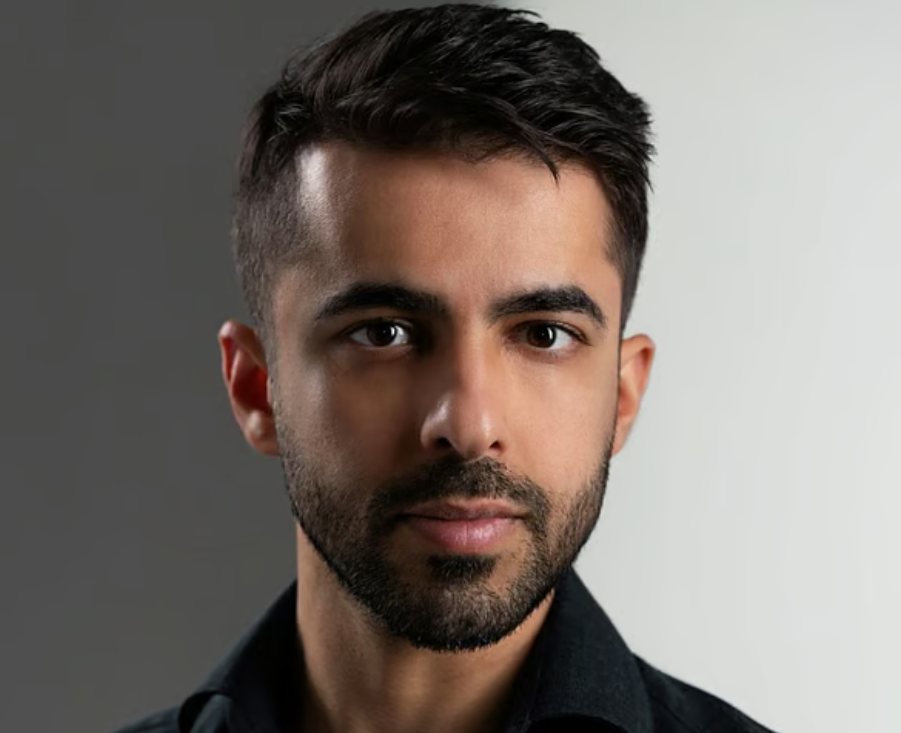
The driving force behind the Dubai Fintech District is Hatu Sheikh, a name synonymous with capital formation and decentralized accessibility. As the founder of CoinTerminal, Sheikh has spent over a decade building platforms that lower the barriers to entry for retail participants in the crypto space.
Sheikh is perhaps best known for disrupting the launchpad model. Before CoinTerminal, many platforms required users to stake large amounts of tokens just to participate in new projects, a practice known as token-gating. CoinTerminal removed these hurdles by adopting a revolutionary model in which the platform charges users only when they generate a profit. This success-first approach resonated deeply with the community, helping the platform grow to over 650,000 users and facilitating more than $80 million in token distributions.
His decision to lead the development of a physical district in Dubai is a natural extension of his work. Having seen the city’s rise as a Web3 hub firsthand, Sheikh recognized that for the industry to mature, it needed more than just regulatory clarity; it needed a home. His involvement ensures that the district is crypto-native in its philosophy, designed by a founder, for founders.
Final Thoughts
As the Middle East continues to attract a global influx of capital and talent, the Dubai Fintech District stands as a bold statement of intent. It proves that even in an era of decentralized technology, the human element remains the most valuable asset. By pairing Dubai’s progressive regulatory framework with a world-class physical workspace, the project is set to sustain the region’s growth well into the next decade.
The Dubai Fintech District is more than just a real estate project; it is a manifestation of the shift from token-centric experimentation to real-world financial utility. As we look toward its full launch in 2026, it is clear that the future of finance isn’t just on the chain, it’s in the room.