
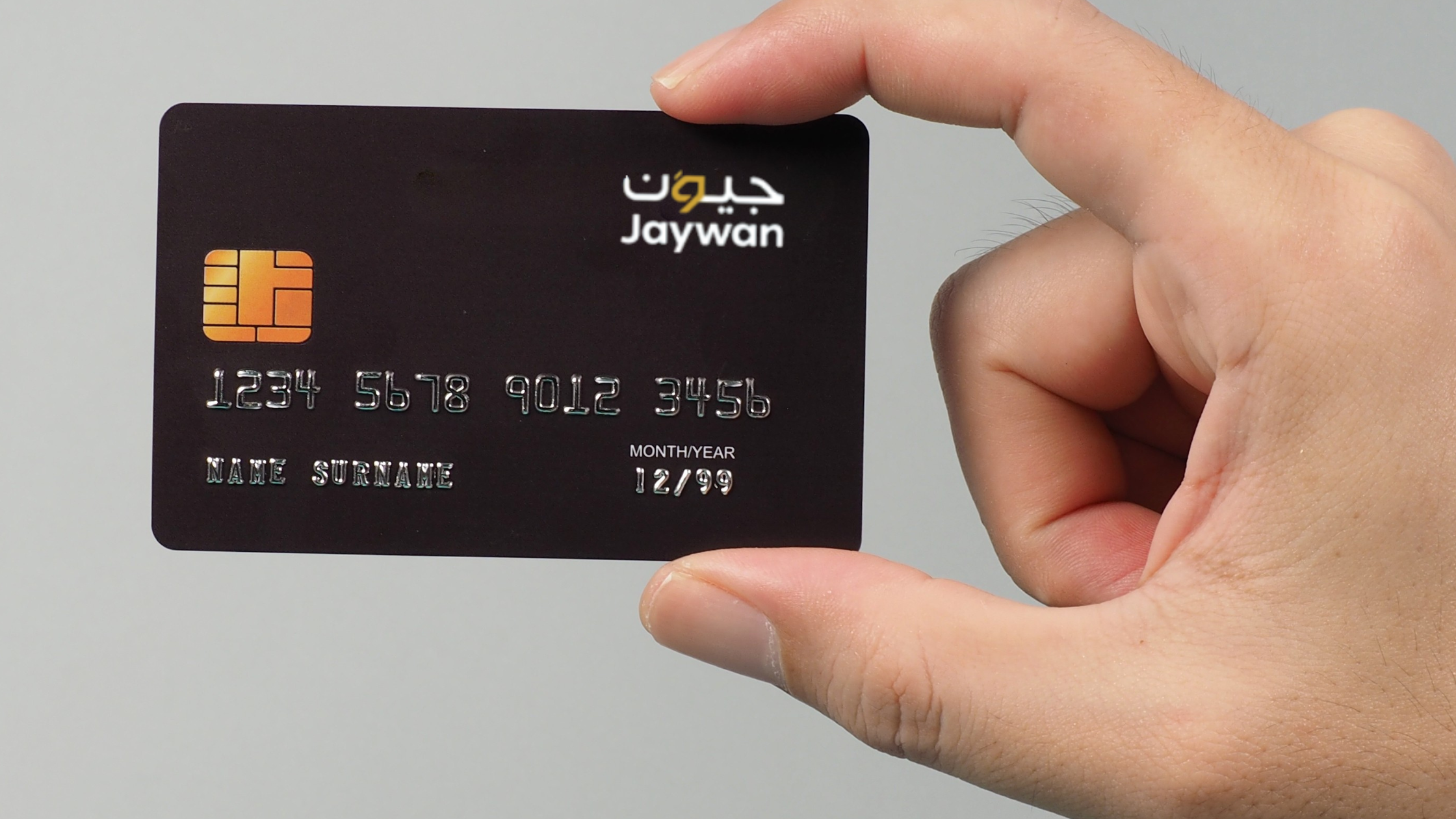
The UAE is currently undergoing its most significant financial transformation since the introduction of the Dirham. At the heart of this shift is Jaywan, the UAE’s National Card Scheme. Launched by Al Etihad Payments (AEP), a subsidiary of the Central Bank of the UAE (CBUAE), Jaywan is not just a new logo on your plastic; it is a sovereign payment infrastructure designed to localize transactions, reduce costs for merchants, and drive the nation toward a truly cashless economy by 2030.
Unlike the international networks that have dominated the region for decades, Jaywan is built to prioritize the domestic economy. This transition is now officially underway, as banks across the Emirates have begun the phased rollout to replace millions of existing debit and prepaid cards with this homegrown alternative.
What is Jaywan? Understanding the UAE’s National Card Scheme
The name Jaywan refers to a ‘precious pearl,’ a nod to the UAE’s heritage and the high value the nation places on its financial independence. Technically, Jaywan is a Domestic Card Scheme (DCS).
Historically, when you used your UAE-issued debit card at a local grocery store, the transaction data would often travel to international servers (Visa or Mastercard) before being settled back in the UAE. With the UAE’s National Card Scheme, that process is entirely localized. Transactions are now routed through the UAESWITCH and settled within the CBUAE’s internal rails.
UAE-India Bilateral Agreement
Jaywan was developed through a landmark bilateral agreement between the UAE and India. It utilizes the proven technology stack of India’s RuPay network, shared by NPCI International (NIPL).
This partnership allowed the UAE to bypass years of R&D by adopting a battle-tested infrastructure that currently handles billions of transactions in India. This collaboration also ensures high interoperability; Jaywan cards are accepted across India’s vast RuPay network, making it a powerful tool for the UAE’s massive Indian expat community.
Key Features of the UAE’s National Card Scheme
Jaywan is designed to be as versatile, if not more so, than the international cards it is replacing.
Diverse Product Line
Jaywan is available in Debit, Prepaid, and Credit variants, covering all consumer segments from students to corporate executives.
Dual-Badge Flexibility
A common misconception is that a national card won’t work abroad. However, the UAE’s National Card Scheme employs a ‘Smart Routing’ technology.
Mono-badge – Exclusive to the UAE and GCC for maximum cost efficiency.
Co-badge – Partnered with Visa, Mastercard, Discover, and UnionPay to ensure your card works seamlessly in 200+ countries.
Digital Wallet Integration
Jaywan is already compatible with Samsung Wallet, with Apple Pay and Google Pay integrations finalized for the 2026 rollout.
Advanced Security
The cards use the latest ISO 20022 messaging standards and embedded security chips to prevent unauthorized access and fraud.
Why Jaywan is Better for UAE Residents?
Here’s how Jaywan benefits the UAE residents.
Significant Cost Savings on Daily Spends
Because Jaywan operates on a domestic switch (UAESWITCH), it bypasses the ‘international scheme fees’ charged by Visa or Mastercard. Industry experts suggest that the efficiency of the domestic network could lead to savings of up to 20% on certain transaction-related costs. Some banks are expected to pass this on through higher cashback rates or zero-fee accounts that were previously ‘premium only.’
The India-UAE ‘Travel Hack’
If you are one of the 3.5 million Indian expats in the UAE, Jaywan is a game-changer. Through its partnership with NPCI (RuPay), a Jaywan card allows you to spend in India as if you were using a local card. This eliminates the 2%-3% foreign exchange markup typically charged when using a standard UAE card abroad.
Hyper-Localized Rewards
Standard international cards often offer rewards that are generic (e.g., global hotel points). Jaywan is designed to offer rewards tailored to the UAE lifestyle, think discounts at government entities (DEWA, RTA), local cinema chains, and homegrown F&B brands.
Enhanced Financial Inclusion
Jaywan is being positioned as a ‘Salary Card’ (WPS). For the millions of unbanked or underbanked workers in the UAE, Jaywan provides a secure, digital way to receive pay and make purchases without the steep requirements of a traditional ‘Gold’ or ‘Platinum’ credit card.
Data Sovereignty and Peace of Mind
For the privacy-conscious, Jaywan ensures that your ‘coffee habit’ or ‘grocery list’ data isn’t being processed in a server farm on another continent. All transaction data remains onshore in the UAE, governed by the CBUAE’s strict data protection laws.
The most immediate benefit for the consumer is the reduction in hidden fees. Because Jaywan doesn’t pay high ‘scheme fees’ to international entities for local transactions, banks can pass those savings on to the user. Furthermore, the UAE’s National Card Scheme has simplified eligibility requirements, making it easier for low-income workers and students to obtain a secure digital payment method.
Why Does it also Matter for Merchants?
Jaywan is the most profitable payment method merchants can accept, and here’s how:
Lower Merchant Discount Rates (MDR)
Currently, when a customer swipes a credit card, the merchant might pay between 1.5% to 2.5% in fees. Jaywan’s domestic-first model is projected to cut these fees by 0.5% to 1.0%. For a business doing AED 1,000,000 in monthly sales, that’s an extra AED 10,000 back in their pocket every month.
Instant Settlements
International networks can sometimes take 2–3 days to settle funds into a merchant’s bank account. Jaywan, integrated with the UAE’s Aani instant payment platform, aims for real-time or same-day settlement, drastically improving cash flow for SMEs.
Lower Hardware and Integration Costs
Because Jaywan is the ‘National Rail,’ the CBUAE is ensuring that every POS terminal in the country is updated to accept it by default. Merchants don’t need new hardware; a simple software update (already rolled out to most) makes them ‘Jaywan-ready.’
Higher Transaction Success Rates
Domestic cards have higher ‘authorization rates’ because the bank and the merchant are in the same country. This reduces ‘false declines’ that often happen with international cards, ensuring merchants don’t lose a sale because of a sensitive global fraud filter.
Tailored E-commerce Solutions
For the UAE’s booming e-commerce sector, Jaywan offers a domestic gateway that is optimized for local addresses and phone numbers (integrated with UAE Pass), making the ‘Checkout’ experience smoother for local residents.
Jaywan Vs. Visa/Mastercard Comparison
| Feature | International Card (Visa/MC) | UAE’s National Card (Jaywan) |
| Local Transaction Fee | Higher (International Scheme Fee) | Lower (Domestic Rails) |
| Data Location | Global Servers | UAE Onshore |
| Cross-Border (India) | 2–3% FX Markup | 0% / Near-Market Rate |
| Settlement Time | T+2 or T+3 Days | Instant or T+0 |
| Primary Goal | Global Connectivity | UAE Economic Sovereignty |
Way Ahead
As we move through 2026, the adoption of the UAE’s National Card Scheme will accelerate. We expect to see innovative ‘Jaywan-First’ features, such as integrated loyalty programs for government services and specialized Sharia-compliant variants for Islamic fintechs. For fintech builders in the UAE, supporting Jaywan is no longer optional; it is the prerequisite for succeeding in the region’s digital-first future.