
Table of Contents
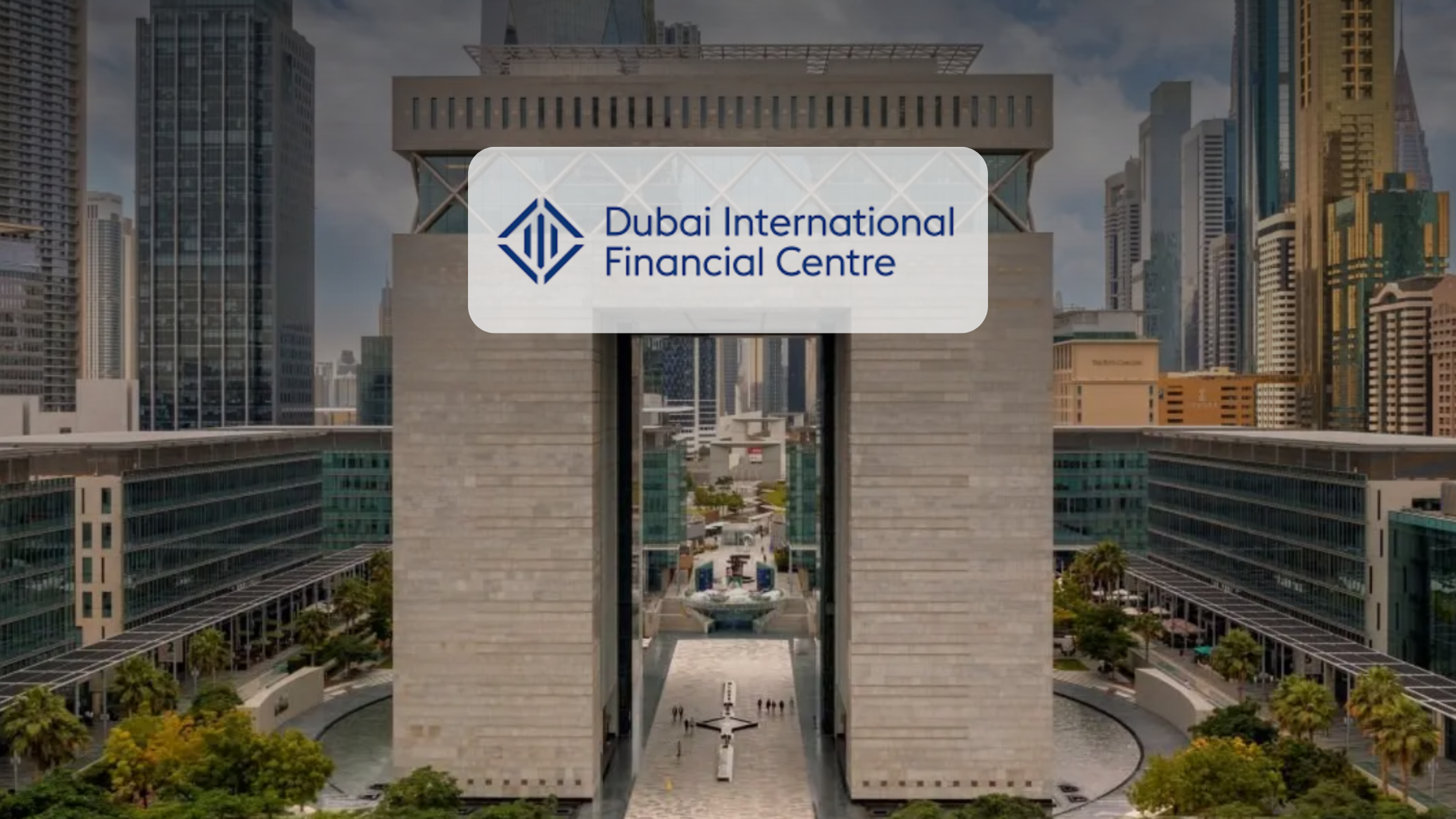
The Dubai International Financial Center (DIFC) has unveiled an ambitious roadmap to become the world’s first AI native financial center. This strategic pivot represents a fundamental shift in how global financial hubs operate, moving beyond treating artificial intelligence as a peripheral tool to embedding it into the very DNA of the district’s legal, regulatory, and physical infrastructure.
Rather than pursuing isolated pilot projects, the DIFC’s AI-native plan aims to integrate intelligence into the center’s core operations. This includes reimagining legal frameworks, optimizing business operations, and even deploying physical AI across the district’s built environment. This bold move positions Dubai as a global benchmark for AI governance in the financial services sector.

Editor’s Take: The DIFC is evolving into the world’s first AI native financial center, moving beyond digitization. This transition creates a regulatory and operational blueprint that surpasses legacy jurisdictions. For firms in the district, this means shifting from manual compliance to a smart infrastructure that aligns with the fintechs they support.
The Five Pillars of an AI Native Financial Center
The DIFC’s strategy is built on a holistic integration model that covers every facet of the ecosystem. By creating a unified AI native environment, the center ensures that innovation is supported by a robust and intelligent foundation.
- Legal & Regulatory Frameworks: Building on the 2023 AI strategy and Regulation 10 of the Data Protection Law to create a living regulatory environment.
- Business Operations: Utilizing AI to streamline client onboarding, relationship management, and internal compliance.
- Physical Infrastructure: Integrating robotics, autonomous mobility, and digital twin technology to manage the physical district.
- Talent Development: Implementing specialized training programs to build a future-ready workforce of 25,000 AI-specialized professionals.
- Ecosystem Access: Providing registered firms with direct access to AI governance software and advanced computational tools.
Economic Impact and Job Creation
The transition to an AI native model is not just a technological upgrade; it is a massive economic engine for the UAE. The DIFC expects this initiative to be a primary driver of the D33 economic agenda.
| Metric | Projected Impact |
| Economic Value Generation | US$3.5 Billion (AED 12.9 Billion) |
| New Job Creation | 25,000 specialized roles |
| Governance Standard | Global Benchmark for AI Regulation |
| Technological Scope | Generative AI to Physical Robotics |
Beyond Code – The Integration of Physical AI
One of the most unique aspects of the DIFC’s plan is the inclusion of the built environment. The center plans to deploy autonomous mobility solutions and robotics throughout the district. By utilizing Digital Twin technology, the DIFC can simulate operational changes in a virtual environment before deploying them in the physical world, ensuring maximum efficiency in energy use, traffic flow, and security.
What an AI Native Hub Means for the Future of Fintech
At UAE FintechVibes, we analyze how high-level strategy translates into market reality. The DIFC’s AI native status is a structural game-changer for several reasons:
Lowering the Regulatory Tax
For fintech startups, compliance is often the highest cost of doing business. By embedding AI into the regulatory framework, the DIFC can move toward Real-Time Supervision. This reduces the manual reporting burden on firms, allowing them to redirect capital from back-office compliance to front-end innovation.
Solving the Legacy Constraint Problem
Unlike older financial hubs in London or New York, which are often hampered by aging infrastructure and rigid legacy laws, the DIFC’s agile operating model enables rapid implementation. Being native means the rules are written for an AI world, rather than trying to fit AI into rules written in the 1990s.
Global Export of Governance Standards
The DIFC intends to deploy its AI governance capabilities to emerging markets. This positions Dubai not just as a capital hub but as a primary exporter of Regulatory Tech (RegTech). If the DIFC sets the global standard for how AI interacts with financial law, Dubai becomes the undisputed capital of the New Economy.
Also, read CBUAE Payment Service Provider License Categories – The Ultimate Guide for UAE Fintechs in 2026
AI as Regulation 10
The foundation for this move was laid with the incorporation of AI as Regulation 10 under the DIFC Data Protection Law. This ensures that as the center becomes more automated, it remains the most secure and transparent jurisdiction for data-sensitive financial firms. The focus remains on ethical AI, ensuring transparency, accountability, and fairness in every automated decision.
Conclusion
The announcement that the DIFC will operate as an AI native financial center marks the end of the traditional hub model. As the district integrates intelligence into everything from its legal codes to its autonomous transport, it offers a glimpse into the future of global commerce. For investors and founders, the message is clear: the most efficient, secure, and innovative place to scale an AI-driven financial business is now a reality in the heart of Dubai.