
Table of Contents
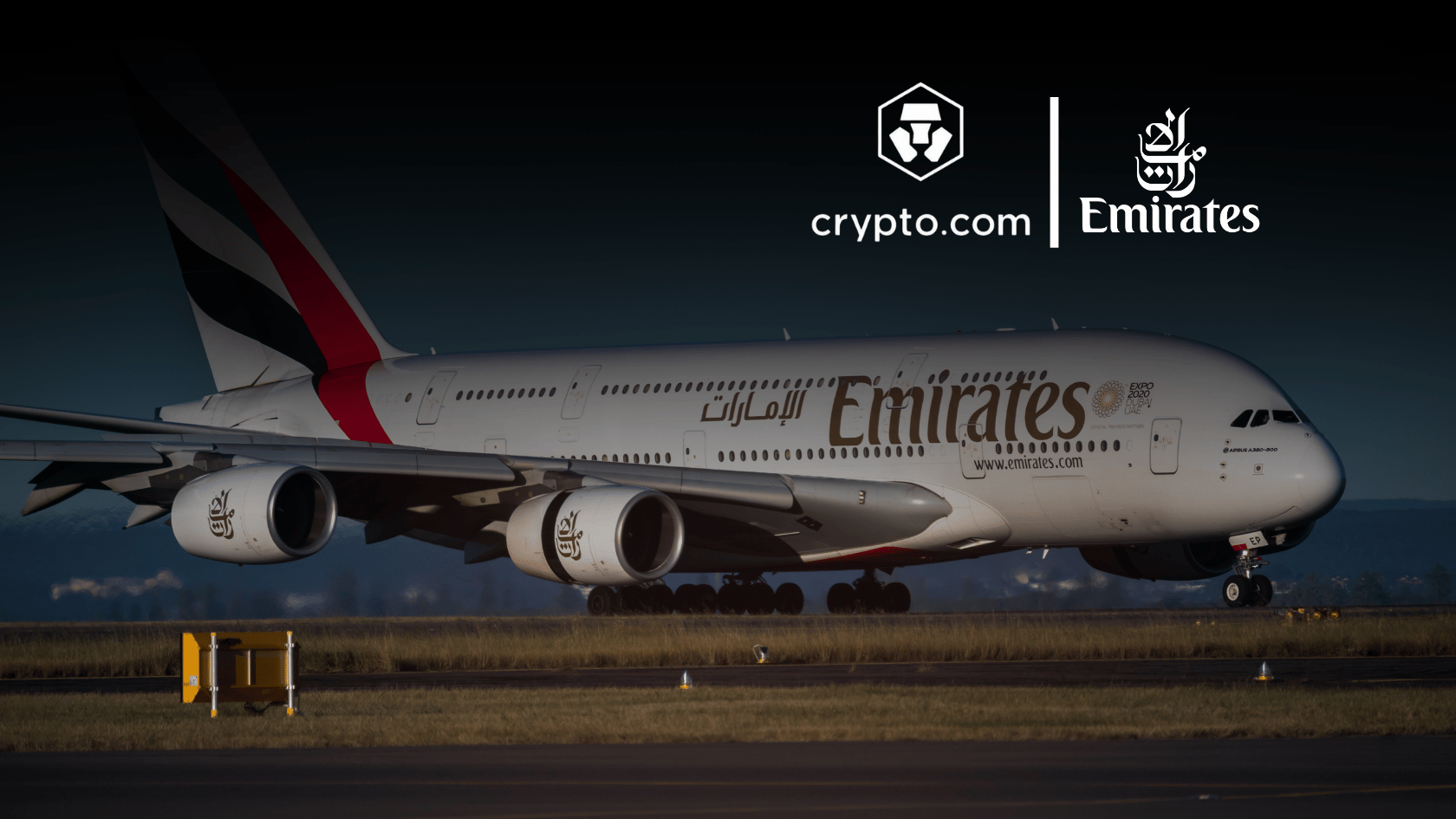
Emirates has launched Crypto.com Pay as a payment option for flight bookings, the airline announced on 28 July 2026. The feature is available to eligible UAE residents booking flights priced and settled in UAE dirhams (AED), and requires an active, verified Crypto.com account.
How the payment actually works
| Step | Mobile (Emirates App) | Desktop (emirates.com) |
|---|---|---|
| 1 | Select Crypto.com Pay at checkout | Select Crypto.com Pay at checkout |
| 2 | Redirected to the Crypto.com app to authorise payment from a Crypto.com wallet | Scan a QR code shown on the booking page |
| 3 | Returned to the Emirates App | Approve the transaction inside the Crypto.com app |
| 4 | Booking confirmation and e-ticket issued | Booking confirmation and e-ticket issued on screen |

Adnan Kazim, Emirates’ deputy president and chief commercial officer, said the launch “delivers on our commitment to expanding customer choice in how they pay for travel.” Eric Anziani, Crypto.com’s president and chief operating officer, called the integration “a milestone for Crypto.com and our Pay feature.”
The launch follows a memorandum of understanding the two companies signed in July 2025, to explore integrating Crypto.com Pay into Emirates’ payment systems. That MoU was signed in the presence of Sheikh Ahmed bin Saeed Al Maktoum, Chairman and Chief Executive of Emirates Airline & Group, by Kazim and Mohammed Al Hakim, president of Crypto.com’s UAE operations. It took just over a year from MoU to live launch.
Is this actually a first?
Several outlets have framed Emirates as the first UAE or Gulf airline to accept cryptocurrency for ticket payments. That framing needs a caveat: Air Arabia, the Sharjah-based low-cost carrier, began accepting AE Coin, a CBUAE-regulated dirham-pegged stablecoin, for flight bookings in May 2025, more than a year before Emirates’ launch, in partnership with Al Maryah Community Bank (Mbank). Air Arabia was widely reported at the time as the first airline in the MENA region to accept a stablecoin payment.
What’s actually new with Emirates is narrower but still meaningful: it’s the first major, full-service Gulf carrier to accept payment through a global crypto exchange’s payment product (Crypto.com Pay) rather than a single bank’s dirham-pegged stablecoin wallet. The mechanics differ too. Air Arabia’s AE Coin is pegged 1:1 to the dirham and processed through one regulated banking partner; Crypto.com Pay draws from a customer’s existing crypto wallet balance and settles with Emirates in AED, without specifying which underlying cryptocurrencies are supported for the conversion.
Why it matters
For the UAE’s digital payments push
Dubai has set a target of 90% of transactions across government and private-sector services being digital by the end of 2026, under the Dubai Cashless Strategy and the D33 Economic Agenda. Emirates’ move adds a national flag carrier, not just a fintech or a budget airline, to that push, and does so on top of the UAE’s existing CBUAE-regulated crypto framework rather than outside it. Whether other full-service carriers in the region follow, or wait to see adoption numbers first, is the more interesting regulatory and competitive question than the first framing itself.
For Emirates customers
The eligibility is narrower than the headlines suggest. This is limited to UAE residents, to bookings priced and settled in AED specifically, and requires a pre-existing, verified Crypto.com account, not a general pay with crypto option available to any Emirates customer worldwide. Customers without a Crypto.com account, or booking in a currency other than AED, gain nothing new from this launch.
The bottom line
Emirates has added a genuinely new payment rail for a specific, defined slice of its customer base: UAE residents with a Crypto.com account, booking AED-priced flights. It is not the first airline in the region to take a form of digital currency for tickets; Air Arabia’s AE Coin got there first, but it is the first major Gulf carrier to plug into a global crypto exchange’s payment infrastructure rather than a single bank’s stablecoin. Neither company has disclosed booking volumes or adoption figures since launch, which is the number worth watching next.
FAQs
What is Crypto.com Pay?
A payment feature from the crypto exchange Crypto.com that lets users pay merchants using funds from their Crypto.com wallet, with the merchant receiving settlement in their own local currency.
How does paying for an Emirates flight with cryptocurrency actually work?
Customers select Crypto.com Pay at checkout, then approve the payment through their Crypto.com app, either via an in-app redirect on mobile or a QR code scan on desktop. Emirates receives the payment in AED regardless of what the customer used to fund it.
Is Emirates the first airline in the UAE or the Gulf to accept cryptocurrency payments?
No. Air Arabia began accepting the CBUAE-regulated AE Coin stablecoin for bookings in May 2025, over a year before Emirates’ Crypto.com Pay launch. Emirates is the first major full-service Gulf carrier to integrate a global crypto exchange’s payment product specifically.
What is Dubai’s target for digital and cashless transactions?
Dubai aims for 90% of transactions across government and private-sector services to be digital by the end of 2026, under the Dubai Cashless Strategy and the D33 Economic Agenda.
Which cryptocurrencies can be used to pay for Emirates flights?
Emirates and Crypto.com haven’t specified which underlying cryptocurrencies are supported. The payment draws from a customer’s Crypto.com wallet balance and settles with Emirates in UAE dirhams.

Editor’s Take: The first framing in most coverage of this launch undersells the more interesting distinction. Air Arabia got to crypto-adjacent payments first, but through a single regulated bank’s dirham-pegged stablecoin, a fairly contained, low-volatility setup. Emirates has instead plugged a major global crypto exchange’s payment rail directly into a full-service national carrier’s booking flow. That’s a bigger institutional bet, not because it’s first, but because it’s a full-service airline extending trust to crypto-denominated wallets rather than a single-bank stablecoin it can fully control. Whether that bet pays off in actual booking volume is the part neither company has shared yet.