
Table of Contents
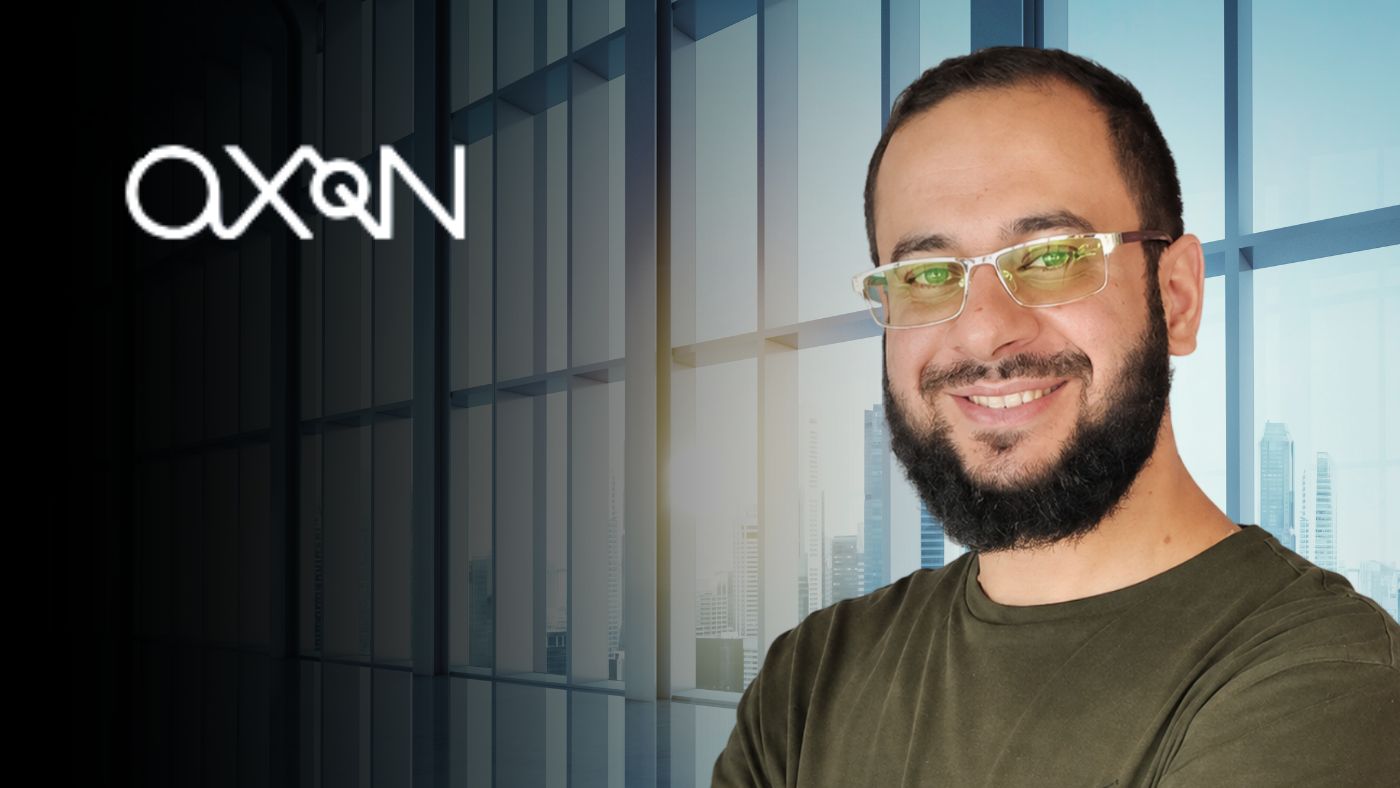
Malek Alzubi is co-founder and chief executive of AXON, a Dubai-based company that builds settlement infrastructure linking banks, payment networks and stablecoin issuers. He founded it in 2021 with Mohammad Youssef Madreb. Its products are AXON Transfer, a multi-rail settlement platform, and AXON Pay, which AXON describes as the next phase for accepting traditional and blockchain-based payments. Both aim to cut international settlement from several days to about an hour, a target that is AXON’s own.
Key takeaways
Alzubi says the idea came from transfers between Saudi Arabia and the US that took anywhere from three to 17 days. AXON uses stablecoins as a background settlement layer, so customers don’t buy stablecoins or manage wallets.
He says the first phase covers the UAE, the EU, the UK and Canada, with Saudi Arabia, Bahrain and Qatar in a second phase, depending on each market’s regulatory process. Markets go live on regulatory readiness, partner readiness and customer demand.
Pulsar Money is AXON’s first Neobank Design Partner. Alzubi says AXON is in talks with other banks, including in Canada, but won’t name them until the legal and commercial arrangements are complete.
In June, AXON announced about $1 million from Saudi-based Maarej Real Estate, its first institutional commitment in a planned $5 million round. On 8 September it said its Canadian entity had registered with FINTRAC as a Money Services Business, which we covered here. AXON says it is closing a $5 million Seed round.
We asked Alzubi why he built cross-border infrastructure for several markets at once, what the Canadian registration lets AXON do, how he is choosing which markets to open first, and what a transfer looks like end to end.
The interview
When you founded AXON, what made you decide to build cross-border payment infrastructure rather than focus on a product for a single market?
Malek Alzubi: The idea actually came from a problem I experienced personally in my previous company.
We regularly needed to transfer money from Saudi Arabia to the US. Sometimes the money would arrive in three days, but other times the same type of transfer could take as long as 17 days. The difficult part was that we couldn’t really predict how long it would take.
That experience stayed with me. Cross-border payments are such an important part of doing business internationally, but as a customer, you often have very little control over the settlement time, the exchange rate, or even visibility into what is happening to the money along the way.
Then blockchain technology started proving that value could move and settle much faster. That made us ask a simple question: why can’t we take the benefits of this technology and connect them with the traditional financial system?
That became the idea behind AXON.
We wanted to use stablecoins as the settlement layer in the background, without asking customers to buy stablecoins, manage wallets, or deal with the technical and regulatory complexity around them.
For the customer, it should still feel simple: send money from one country and receive it in another. AXON handles the complexity behind the scenes.
The release says FINTRAC registration “does not constitute licensing, certification, or endorsement.” Can you walk me through what it actually changes operationally? What can AXON do in Canada now that it couldn’t do before the registration?
Malek Alzubi: The distinction is important. FINTRAC registration is not a financial services licence, and it is not an approval or endorsement of AXON’s products. It is the federal registration required for businesses that fall under Canada’s Money Services Business regime.
Operationally, AXON’s Canadian entity can now legally carry out the relevant registered MSB activities in Canada, including applicable money transmission, foreign exchange and virtual currency activities, subject to Canada’s AML and anti-terrorist financing requirements.
It also supports our ability to serve certain cross-border transactions involving customers outside Canada, subject of course to the rules that apply in the customer’s own jurisdiction. This may include cases of reverse solicitation, where an EU customer independently approaches AXON without us actively marketing our services in the EU. For example, where legally permitted, if a customer in the EU approaches AXON to transfer funds to the UAE, our Canadian MSB structure can form part of the regulated framework through which we process that transaction. This is different from actively offering or marketing regulated services in the EU, which may require separate local regulatory permissions.
For us, FINTRAC registration is a practical necessity. It’s a key regulatory gateway that lets us start building AXON’s operations in Canada within the Canadian AML and compliance framework.
Between the June MENA funding, the Saudi expansion, this Canadian registration, and the Pulsar Money partnership in Europe, that’s a lot of fronts open for a company still closing a $5 million Seed round. How are you sequencing which market goes live first versus which ones stay registered-but-dormant for now?
Malek Alzubi: AXON is building a multi-rail cross-border settlement orchestration infrastructure, starting from the Gulf and connecting it with global markets. We use stablecoins as the settlement layer behind these corridors.
So we don’t really look at Canada, the UAE, the UK or Europe as four separate expansion projects. They are different parts of the same network.
For a corridor to work properly, we need the right regulatory structure, liquidity, compliance, and on-ramp and off-ramp partners on both sides. This is why we sometimes start building the regulatory and partnership infrastructure in a market before we commercially activate it.
Our first phase is focused on the UAE, the EU, the UK and Canada. In the second phase, we expect to expand into Saudi Arabia, Bahrain and Qatar, depending on the progress of the regulatory process in each market.
So there is a difference between having a regulatory footprint in a market and actually going live commercially. We decide when to activate a corridor based mainly on regulatory readiness, partner readiness and real customer demand.
We don’t need every market to go live at the same time.
Pulsar Money is named as AXON’s first Neobank Design Partner. What does that partnership actually involve day to day right now, versus what it’s meant to become?
Malek Alzubi: We are very happy to have Pulsar Money as AXON’s first Neobank Design Partner.
At this stage, we benefit from their banking and operational experience while developing the platform. Their input helps us make sure that the product, workflows and integration requirements are built around how financial institutions actually operate, rather than us building something in isolation and then trying to fit it into a bank later.
The idea of a Design Partner is very important for us for exactly this reason. We want financial institutions involved while the product is being built.
Our intention is to develop the relationship with Pulsar into a long-term commercial partnership as the platform moves into operation.
We are also currently working with and speaking to a number of other digital and traditional banks, and we expect to announce more partnerships once the commercial and regulatory arrangements are completed.
AXON Transfer and AXON Pay are built to cut settlement from days to about an hour. Can you walk me through one real transaction end to end, a specific corridor, a specific client type, so the claim has a concrete example behind it?
Malek Alzubi: Let me give you a simple example of how this is designed to work.
Imagine a customer in the UAE wants to send money to Europe.
He doesn’t need to buy a stablecoin, hold a digital wallet, or understand anything about the blockchain infrastructure behind the transaction. From his side, he is simply sending money, while AXON uses stablecoins as the settlement layer in the background.
When he creates the transfer, AXON brings together the available options from different liquidity and service providers. He might see four or five different offers, for example.
He can then decide what matters most to him. He may choose the best exchange rate, the lowest overall cost, or the fastest settlement time, even if the faster option costs a little more.
But he doesn’t have to make these decisions himself. If he prefers, he can simply let AXON do it automatically. The platform compares the available routes and selects the most suitable one based on factors such as price, cost, speed, liquidity, availability and compliance requirements.
We also give him flexibility over how the money is received. A transfer doesn’t necessarily have to go to one destination. He can split a single transfer between different accounts and different receiving methods.
For example, he could send part of the money to one bank account, another part to a different account, and another part could be collected in cash through traditional remittance networks such as Western Union or MoneyGram, where those options are available through our partners in that corridor.
Behind all of this, AXON manages the stablecoin settlement and connects the different liquidity, on-ramp, off-ramp and payment providers.
For me, this is really what orchestration means. The customer can choose the price, speed, route and receiving method that work best for him, or he can simply let AXON make those decisions automatically.
Looking at the next two quarters, what does ‘AXON operationalised in Canada’ actually look like as a milestone, and is there a specific bank or partner relationship you’re targeting there, or is the registration itself the immediate goal?
Malek Alzubi: FINTRAC registration is an important step, but it is not the final goal.
The goal is to make AXON operational in North America and connect that infrastructure with the corridors we are building into the Gulf and Europe.
For us, becoming operational in Canada means putting the compliance, banking and service-provider infrastructure in place and then activating real corridors that customers can use for cross-border settlement.
And yes, we are currently working on relationships and partnerships in the Canadian market.
I don’t want to announce names before the legal and commercial arrangements are completed, but these discussions are already happening, and we expect to share more once they reach the right stage.

Editor’s Take: Malek Alzubi’s end-to-end example is a description of how a UAE-to-Europe transfer is designed to work, with a choice of routes and split payouts, and it names no live corridor, client or measured settlement time. AXON hasn’t named a bank or partner in Canada, saying names will follow once the legal and commercial arrangements are complete. His view that the Canadian registration can form part of the framework for a transfer from an EU customer who approaches AXON independently, a case he calls reverse solicitation, is AXON’s own reading of the rules. He says it differs from actively offering or marketing services in the EU, which may need separate permissions.